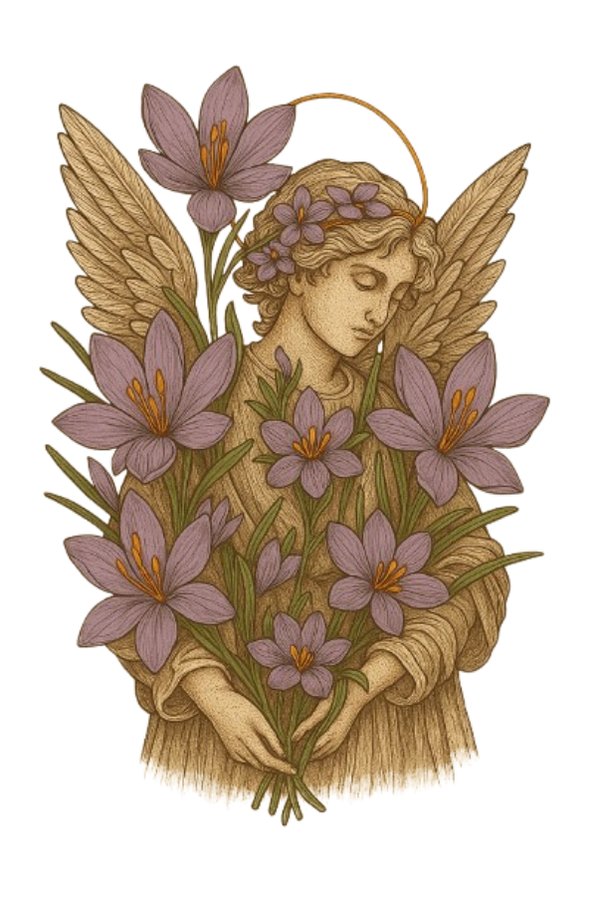

The Fascinating History of Kashmiri Saffron
Share
How Kashmiri Saffron Became the World's Most Celebrated Spice
Kashmiri saffron has a history stretching back over a thousand years, though its exact origin in the region is debated.
Legends of its Arrival
There are two popular stories:
-
Persian Connection
- Many historians believe saffron was introduced to Kashmir from Persia (modern-day Iran) through trade and cultural exchanges.
- Persia has been a major center of saffron cultivation for centuries.
-
Sufi Saints Legend
- A well-known Kashmiri tradition says that two Sufi saints, Khwaja Masood Wali and Sheikh Sharif-ud-Din, brought saffron bulbs to Kashmir.
- According to the legend, a local chieftain helped the saints during an illness, and they gifted him saffron corms in gratitude.
Pampore: The Saffron Town
The town of Pampore, near Srinagar, became the heart of saffron cultivation. It is often called the "Saffron Town of Kashmir." The elevated plateaus (known as karewas) around Pampore provide ideal soil and climate conditions.
Historical Importance
- Saffron became an important part of Kashmir's economy and trade.
- It was prized by royalty, traders, and healers for its color, fragrance, culinary uses, and medicinal value.
- It found its way into traditional Kashmiri cuisine, including kahwa (spiced tea) and festive dishes.
Modern Recognition
In 2020, Kashmir Saffron received a Geographical Indication (GI) tag, recognizing its unique qualities and protecting its identity. This means only saffron grown in designated regions of Kashmir can be marketed as "Kashmir Saffron."
Today, although Kashmir produces only a small fraction of the world's saffron, it remains one of the most prestigious and sought-after varieties because of its deep red stigmas, strong aroma, and high coloring strength.