
Quality check - Lab Tested
GRADE A++
The quality check of A++ grade saffron involves a comprehensive analysis of its crocin and picrocrocin levels, moisture content, and purity. Ensuring that saffron meets these stringent criteria is essential for maintaining its reputation as a premium spice and for maximizing its health benefits. By adhering to these quality standards, consumers can be assured of the authenticity and efficacy of the saffron they choose to incorporate into their wellness routines.
Crocin → Colour + Antioxidant + Skin benefits
Picrocrocin → Taste + Therapeutic bioactivity + Aroma precursor
Industries that depend most on high crocin & picrocrocin:
✔ Gourmet food & beverages
✔ Cosmetics & skincare
✔ Nutraceuticals
✔ Pharmaceuticals
✔ Herbal teas
✔ Aromatherapy
✔ Ayurvedic formulations

GRADE A
In A grade saffron, a decent level of crocin is expected, typically ranging from 10% to 20%. This concentration not only contributes to the visual appeal of the saffron but also enhances its antioxidant properties, which are beneficial for health.
Moisture content is another critical factor in saffron quality assessment. A grade saffron will have moisture content that does not exceed 12%. Excess moisture can lead to mold growth and degradation of flavor and aroma, thus compromising the quality of the saffron. Therefore, maintaining optimal moisture levels is essential for preserving the integrity of the spice.
A good level of picrocrocin in A grade saffron is crucial, with acceptable levels usually falling between 0.5% and 1.5%. This ensures that the saffron provides a rich and complex flavor, which is essential for culinary applications.


Wholesale login Form
-
A++ grade premium pack ( 5g )
Regular price Rs. 1,800.00Regular priceRs. 2,500.00Sale price Rs. 1,800.00Sale -
A++ grade exclusive pack ( 10g )
Regular price Rs. 3,650.00Regular priceRs. 5,000.00Sale price Rs. 3,650.00Sale -
A++ grade value pack ( 1g )
Regular price Rs. 400.00Regular priceRs. 500.00Sale price Rs. 400.00Sale


Blogs
-
 read blog
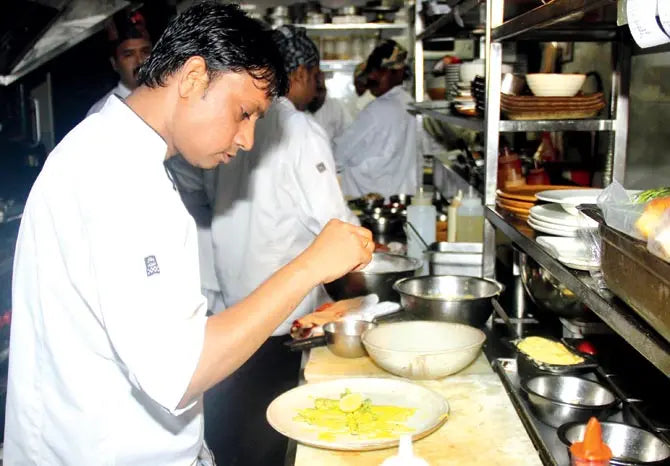
In fine dining, details make the difference — and saffron is one detail that can change the entire dining experience.
-
 read blog
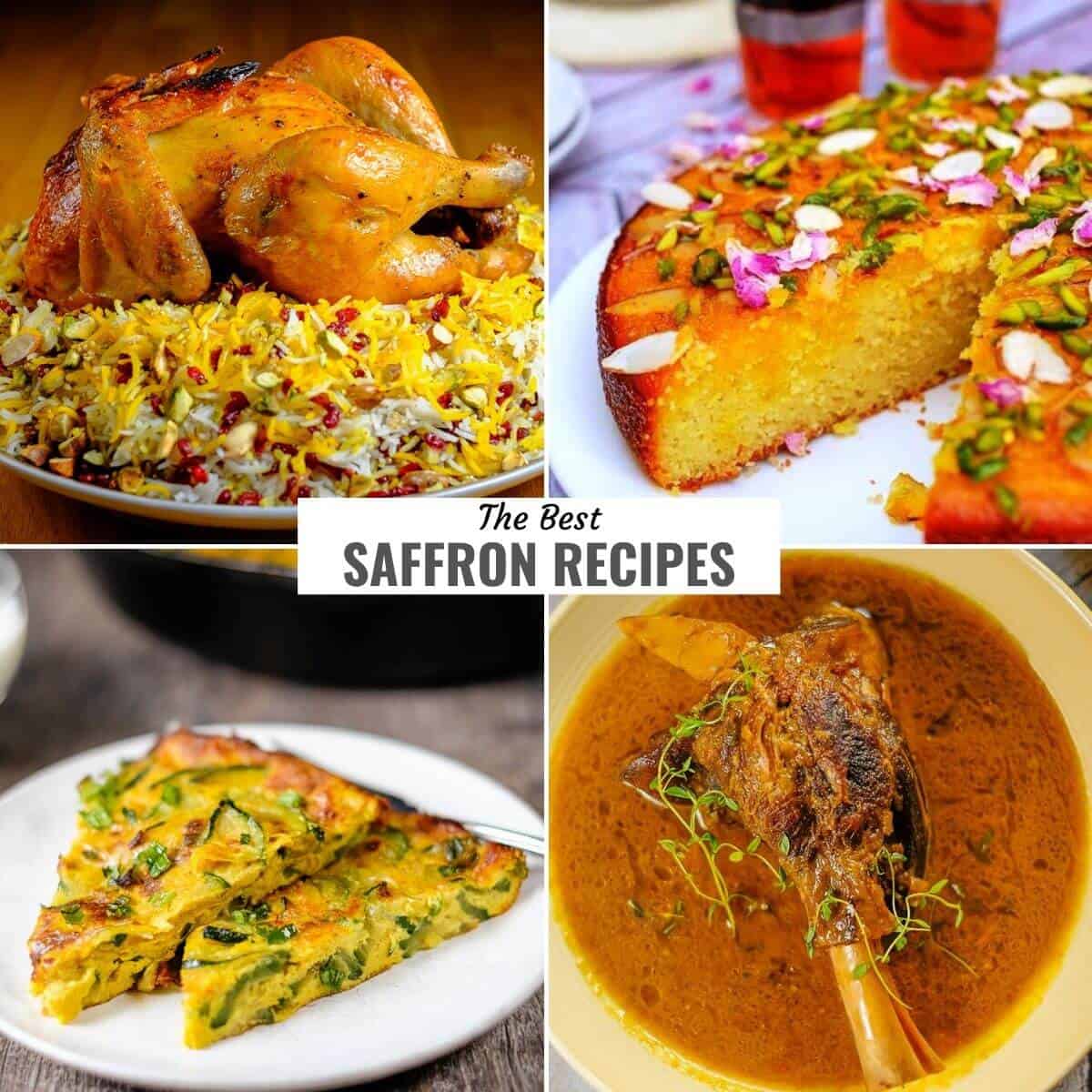
Saffron is a culinary game-changer. Whether you’re cooking at home or in a professional kitchen, a pinch of saffron can turn simple into spectacular.
-
 read blog
With saffron being the world’s most expensive spice, fake and low-grade products flood the market. Here’s how to ensure you’re buying the real deal.


Difference between mongra , lacha and zarda
Mongra Saffron
short, thick, deep-red threads without yellow or white parts.
strongest aroma and taste among all saffron types.
maximum color release due to its high crocin content.
premium gourmet dishes, fine dining, and luxury recipes.
highest market value because of purity and potency.
Lacha Saffron
longer threads with slight yellow ends, giving it a distinct look.
moderate aroma that works well in everyday cooking.
medium color release, making it suitable for regular recipes.
daily household cooking and mid-tier restaurants.
, balancing quality and affordability.
Zarda Saffron
threads with yellow and white styles (less stigma content).
milder aroma and lighter flavor profile.
light color release, so more quantity is needed for impact.
bulk cooking, sweets, and large-scale catering.
lowest-priced saffron type, ideal for budget-conscious buyers.